Past Ruder Future
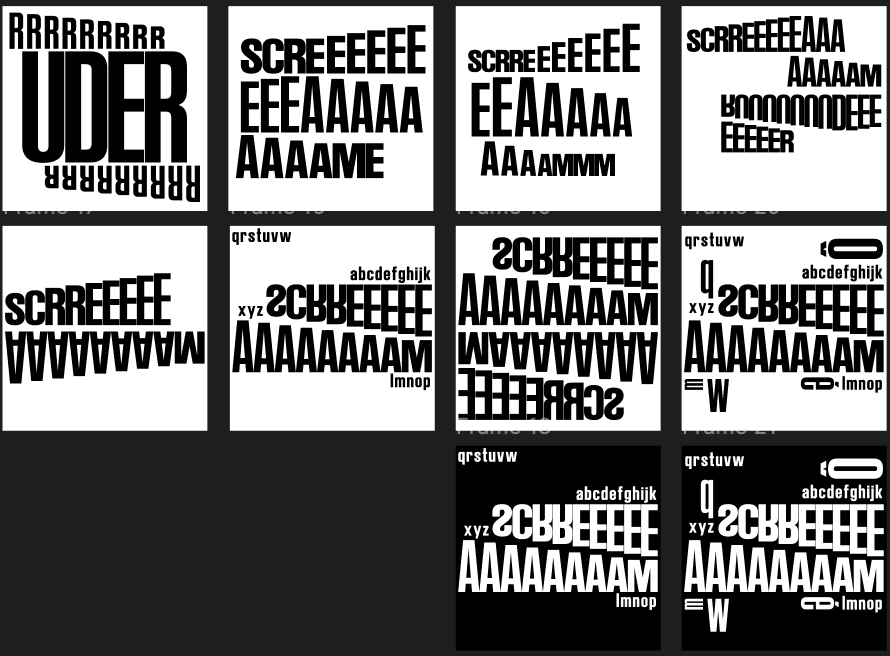
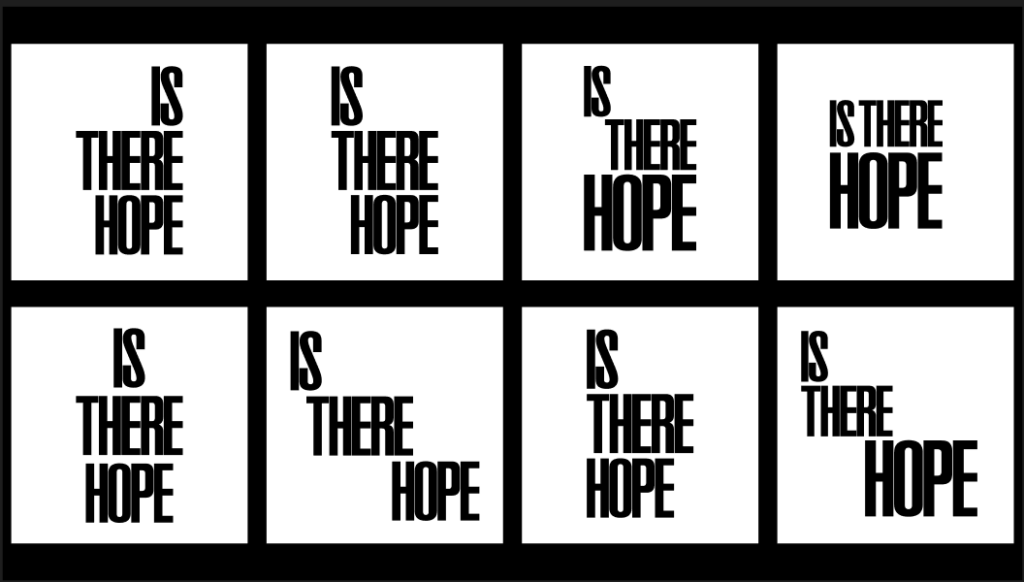
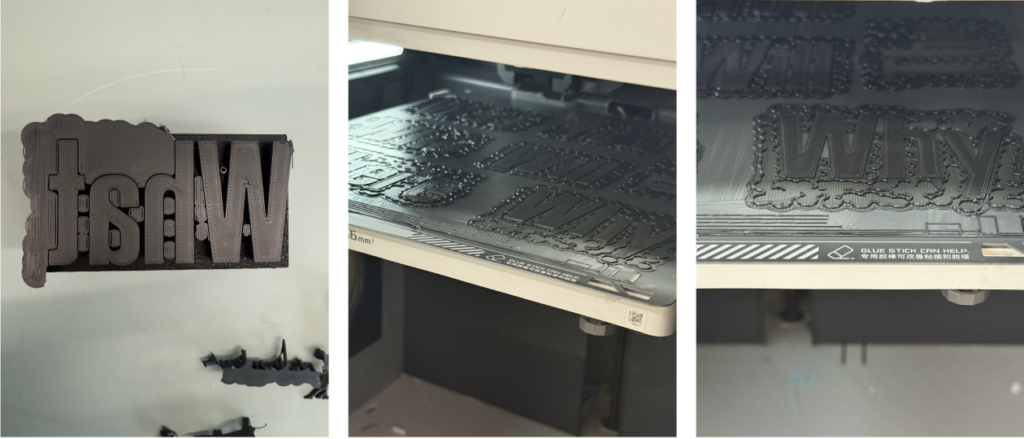
Past Ruder Future is an interactive performance that connects analogue printing techniques with the digital world and explores the themes of past and future. It presents the specimen of the typeface Ruder Plakat Var by Lineto. A question is printed by hand with 3D-printed stamps. A camera tracks the movements of the people stamping and uses this information to change the variable font on screen. Meanwhile the AI (Gemini) comments on the process. Once the question is complete the AI generates an answer.
Performance
trailer
screenrecording of performance
images performance
Concept
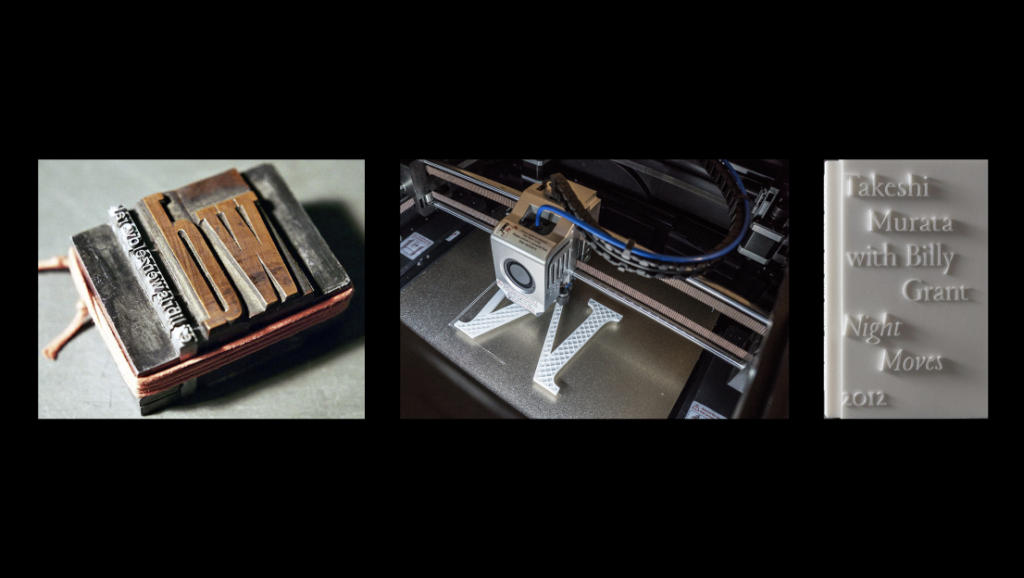
The main theme is the tension and connection between the past and the future. The analogue side is inspired by traditional letterpress printing and therefore stands for the past. To bring this technique into a modern prespective we 3D printed the stamps. The digital side represents the future through motion tracking and the AI’s responses. Neither side works alone: the stamped question needs the digital layer to be answered while the digital specimen needs the physical interaction to change between the variations of the typeface. The questions are meant to make people think about life, the future and our relationship with AI. The answers are intentionally AI-generated so the contrast between the traditional and the modern becomes part of the experience.
Font
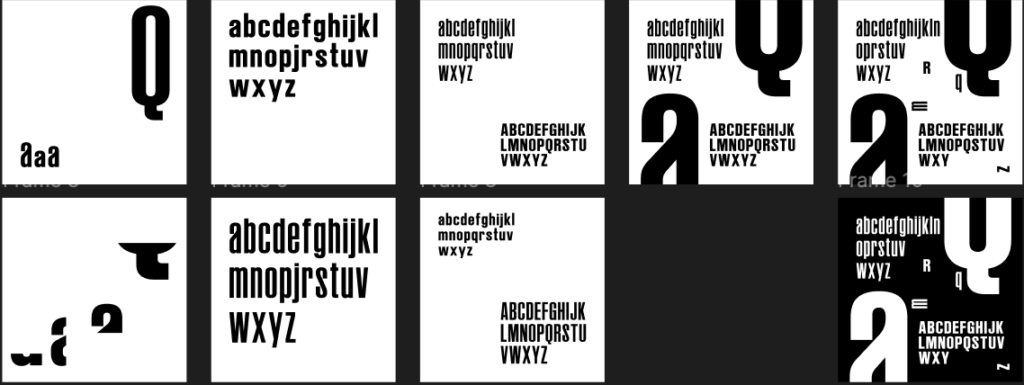
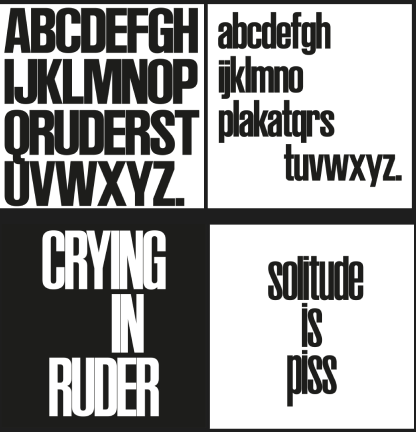
Ruder Plakat Var is a variable typeface developed from traditional woodcut lettering. It is reduced and bold at the same time and communicates its message clearly which gives it a strong poster-like character. The variable axes (uppercase height, lowercase height, descender length) let the shapes of the letter change continously. The project is inspired by Emil Ruder and the typography of letterpress printing. We brought this tradition into the present: the lead type became 3D-printed stamps, so the old technique meets a contemporary production method.
Stamps
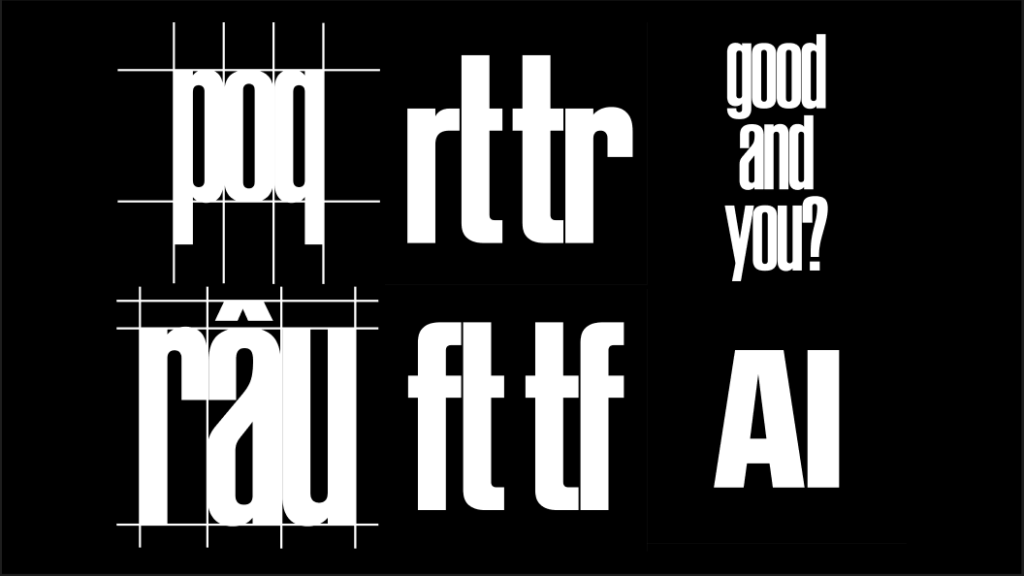
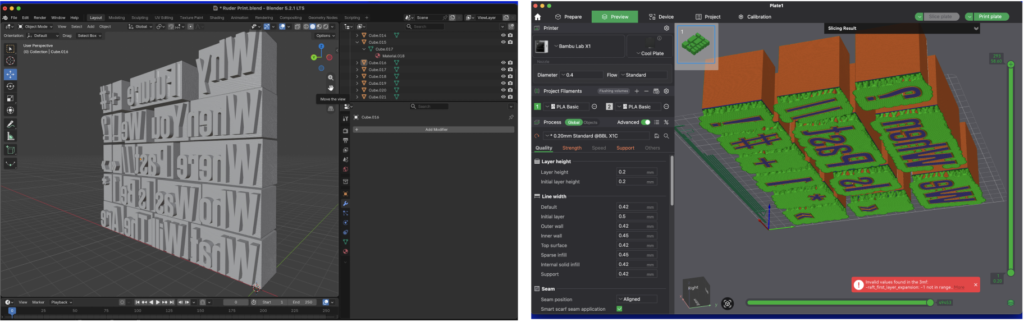
The stamps are built around our concept. Although we only have a basic set, it allows us create a variety of questions. The set includes the five w-question words, the verb “to be” in several forms, will, you/we, the and future/past. We also use three special characters that are common in writing: ?, # and !. Each of them leads to a different layout in the digital part and each layout shows the quality of the typeface from another angle like letters in detail trough a technical grid, how the ligatures work and the different condensed styles.
colorscheme:
The colors are following the medium. The analogue part is black on white as in traditional printing. The digital part is white on black, as is typical for screens. The two worlds are mirror images of each other.
Inspiration and process
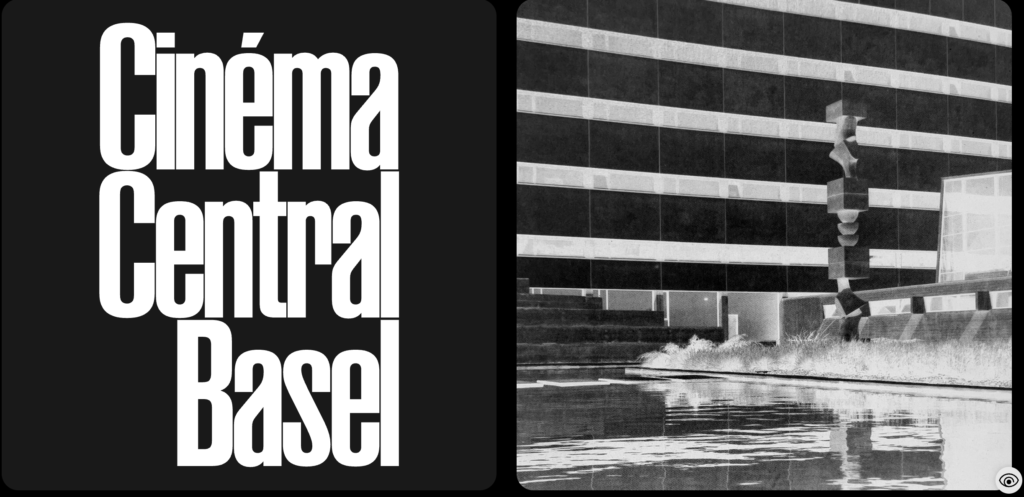
specimen from lineto
Challenges
We faced a few challenges during the project. At the beginning it was difficult to find an AI that is perferably free and then also to work out how we can implement it in the code. One of the biggest problems in our project was getting our special characters recognised. For most part of the project we worked with Tesseract.js but in the end we dropped it and used only Gemini because Tesserarct was not good at recognising these characters and it was almost impossible to make it work. Understanding the logic of the code generally was also a big challenge. Gemini needs an image to read the stamped question and to generate an answer, so we implemented a hand gesture that triggers the image capture and sends it to Gemini.
set up image?